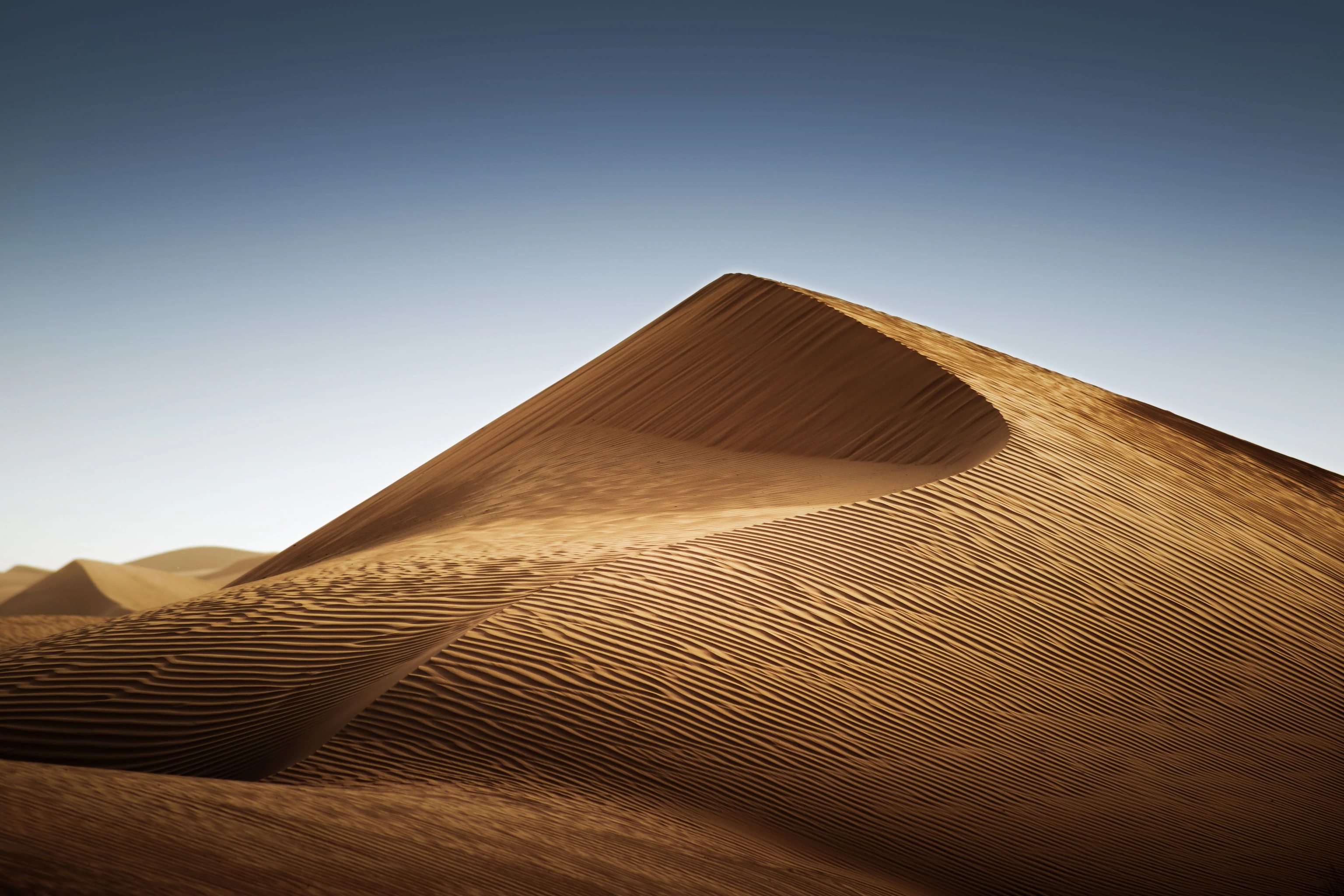
High Dune Crests
Early morning golden hour
Position yourself on the peak of a high dune to capture the sweeping curves and long shadows across the sand.

The Dubai Desert Conservation Reserve opens at 6 AM, precisely when the sun breaks over the dunes and transforms sand into liquid gold. Photographers have a narrow three-hour window to capture the interplay of shadow and light before midday contrast flattens the landscape. This guide covers lighting conditions, composition strategies, and the technical settings that work in desert environments.
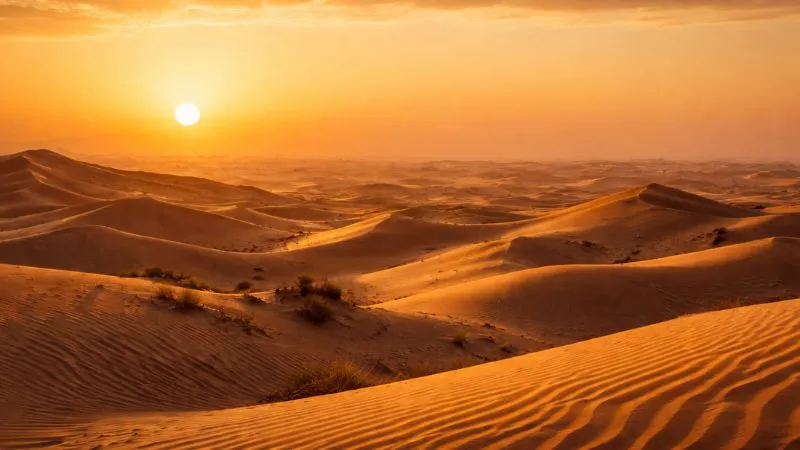
Quick answer
The best sunrise desert safari Dubai photos are captured between 6 AM and 9 AM, when low-angle sunlight creates dramatic shadows across the dunes and surface temperatures keep wildlife active. Arrive at the Dubai Desert Conservation Reserve by 6 AM for optimal positioning. Bring a polarizing filter to manage glare, shoot in RAW format for maximum dynamic range, and set ISO between 100-400 to preserve detail in both highlight and shadow areas of red sand formations.
The Dubai Desert Conservation Reserve spans 225 square kilometers of protected dune systems, making it the largest single piece of desert terrain in the UAE under conservation management. This scale matters for photographers because it guarantees uninterrupted sightlines and authentic wilderness backdrops absent the visual clutter of development. Sunrise desert safari Dubai photos rely on a brief convergence of temperature, light angle, and animal behavior. Desert foxes and Arabian oryx venture into open terrain during the first two hours after dawn, when ambient temperatures remain below 30°C. By 9 AM, most fauna retreat to shade, and the sun climbs high enough to wash out the textural contrast that makes dune ridges dramatic. The red iron oxide content in Conservation Reserve sand produces warm tones that intensify during golden hour, but only if you expose for the midtones rather than the sky. Authorized operators provide permit-only access via the Dubai-Al Ain Road entrance, and vehicles position on the windward side of major dune formations to avoid tire-track contamination in foreground compositions. Wide-angle lenses between 16mm and 35mm capture the sweeping scale of the erg, while 70-200mm focal lengths isolate individual dune crests or compress layers of receding ridges. A lens hood is not optional; side-angled sunlight will introduce flare without one. Desert photography in Dubai rewards preparation more than spontaneity. Sensor dust becomes visible against pale skies, so clean your equipment before departure. Bring microfiber cloths; fine sand infiltrates camera bodies within minutes of exposure. Set your camera to continuous autofocus if tracking wildlife, and use back-button focus to lock exposure independently of shutter release. The Conservation Reserve prohibits drone flights without prior approval, so ground-level and vehicle-mounted perspectives define your creative range. Silhouette compositions work best in the ten minutes immediately after sunrise, before fill light from the surrounding sand eliminates shadow depth.
“The red iron oxide content in Conservation Reserve sand produces warm tones that intensify during golden hour, but only if you expose for the midtones rather than the sky.”
The best arrival window is 06:00–09:00, which provides optimal lighting for sunrise photography and wildlife activity before peak heat. Planning around seasonal sunrise times ensures you capture the desert environment at its most temperate.
Cool, 15°C–25°C. Optimal conditions for wildlife viewing and early morning light.
Warm, 25°C–35°C. Shorter window before temperatures rise rapidly.
Hot, 35°C–45°C. Requires earliest possible arrival to avoid extreme midday heat.
Verdict: The optimal period is November to March, arriving at 06:00 to coincide with sunrise and maximize wildlife visibility.
Early morning golden hour
Position yourself on the peak of a high dune to capture the sweeping curves and long shadows across the sand.
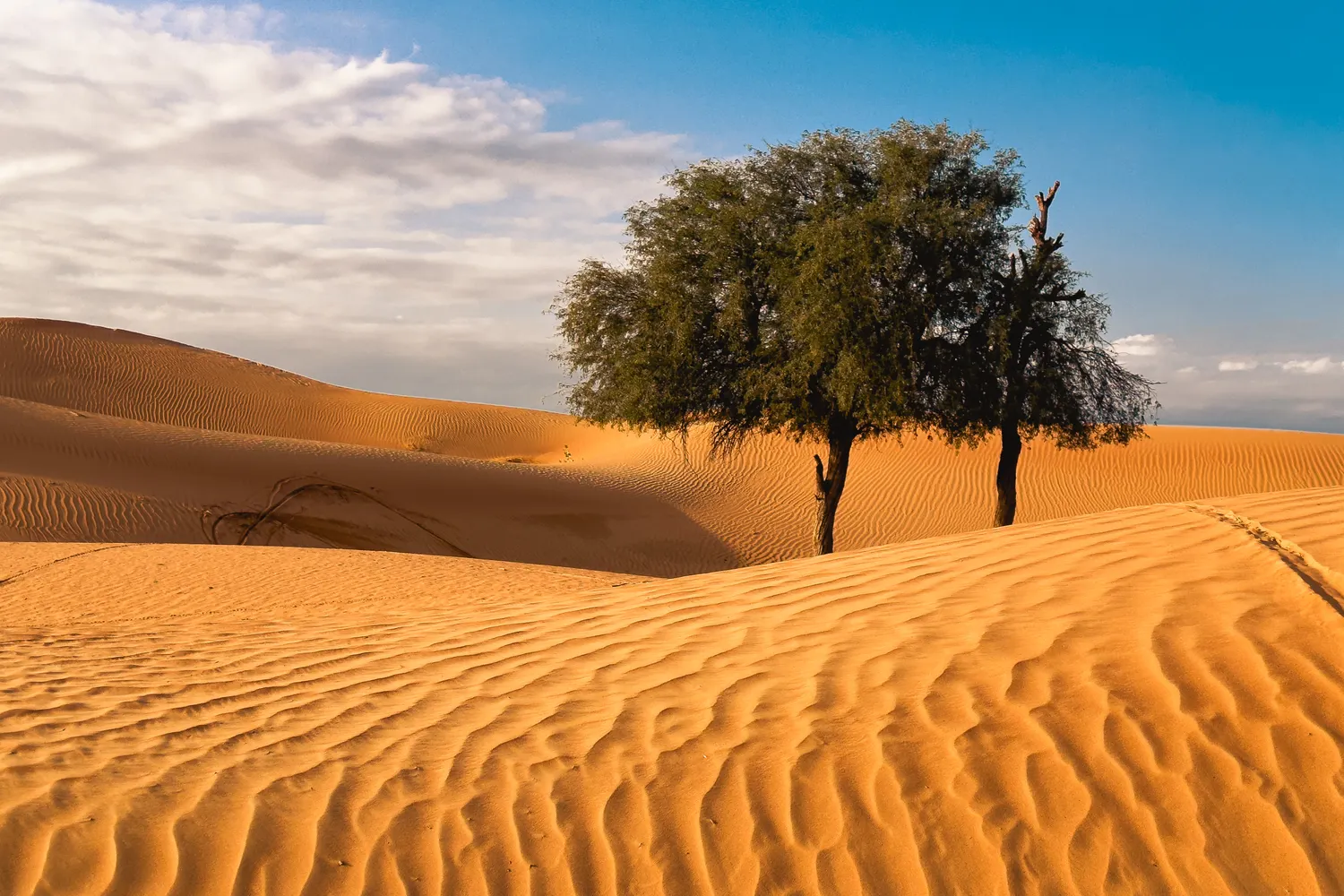
Early morning golden hour
Frame the native Ghaf trees against the rising sun to capture the contrast between flora and arid landscape.
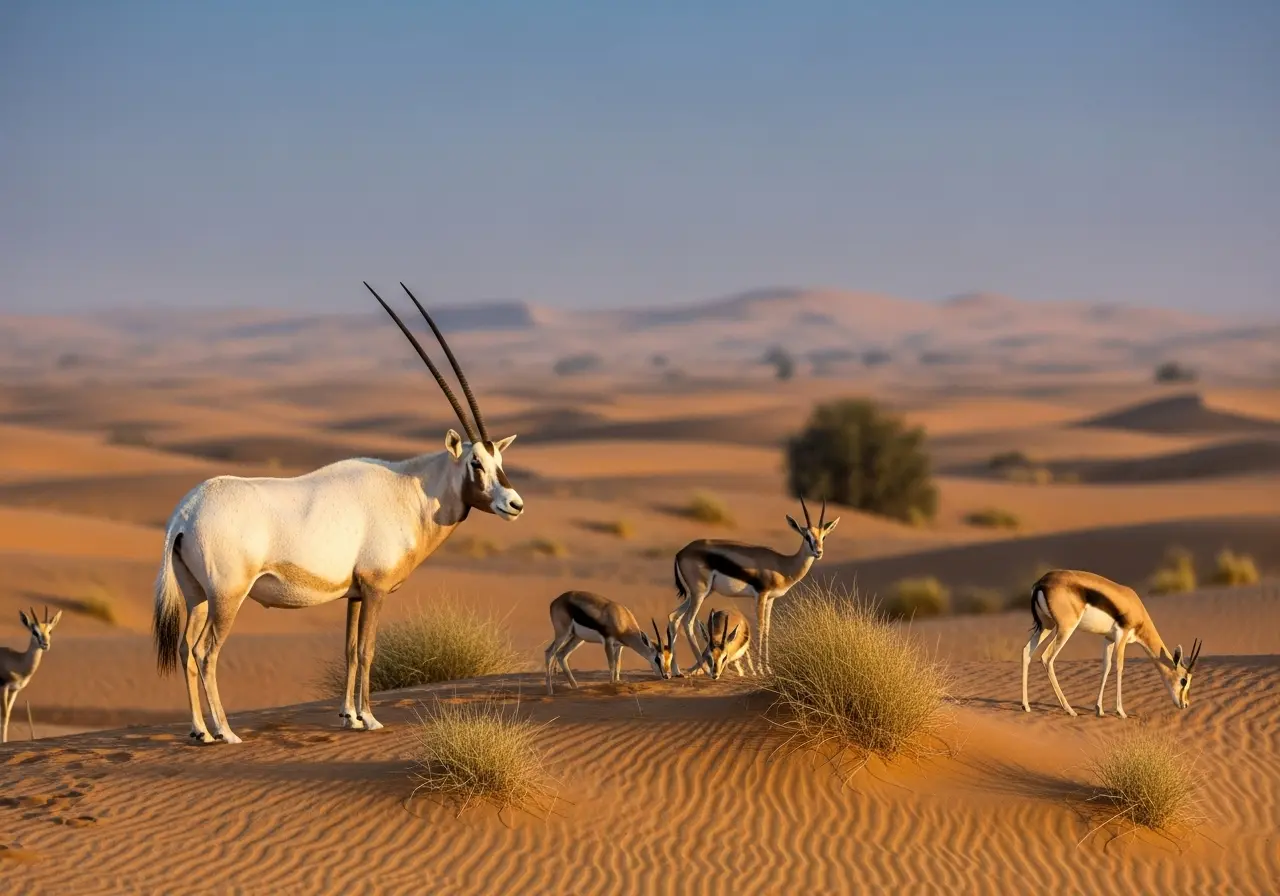
Early morning golden hour
Use the wide-angle landscape of the protected reserve to photograph gazelles or oryx in the natural morning light.
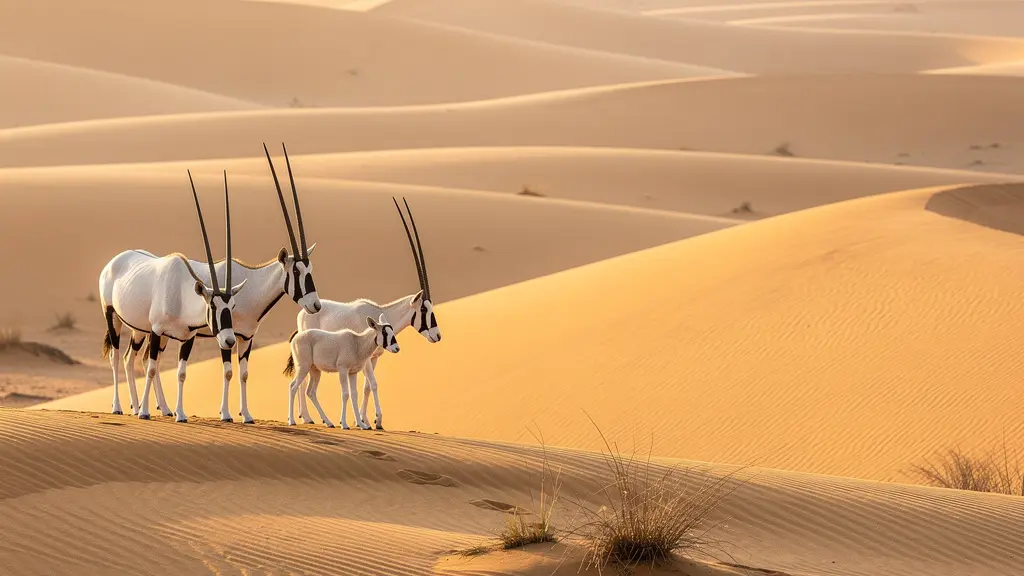
Early morning golden hour
Focus on the wildlife silhouettes against the desert horizon during the quiet morning period.
The Dubai Desert Conservation Reserve maintains consistent operating hours throughout the week to facilitate morning photography sessions and visitor access. The reserve remains open daily to accommodate scheduled tour operations.
Access to the Dubai Desert Conservation Reserve is managed through authorized tour operators rather than individual entry fees. There is no direct admission cost for visitors to enter the reserve.
Verdict: Individual visitors pay 0 AED for entry, while total costs depend on the service package selected from an authorized tour operator.
Preparation ensures you capture optimal sunrise light and navigate desert conditions comfortably.
Everything you need to know about sunrise desert safari dubai photos
The best time to visit for photography is during the early morning arrival window of 06:00–09:00. Arriving during this period ensures you utilize the optimal lighting for your session before the heat intensifies.
The entrance fee to the reserve is 0 AED for public access, though visitors must utilize a paid permit through an authorized tour operator to enter. This ensures professional management of the protected area.
To secure high-quality imagery, arrive promptly between 06:00 and 09:00 when the light is softest. This timeframe is ideal for documenting the dunes and landscape without the harsh shadows common at midday.
Access to the Dubai Desert Conservation Reserve is strictly controlled and requires a permit provided by authorized operators. You cannot enter the protected area independently, so planning via a certified service is necessary.
Depending on the season and time, you may spot indigenous species such as Arabian oryx or gazelles, which are frequent subjects for early morning visitors. Staying quiet and patient increases your chances of capturing these animals on camera.
Yes, but you should verify specific equipment requirements with your authorized tour operator before arrival. Since the reserve is a protected habitat, all photography must respect local conservation guidelines and wildlife protection rules.